Think you need to master the guitar or piano to become a musical superstar? Think again! With technology and creativity at your disposal, you can rise to stardom without ever strumming a chord or pounding a key. In today’s digital era, music creation has become more accessible, allowing countless aspiring musicians to make a splash in the industry even without traditional skills. This article explores how modern musicians are making waves—even legends—without ever needing to know an instrument.
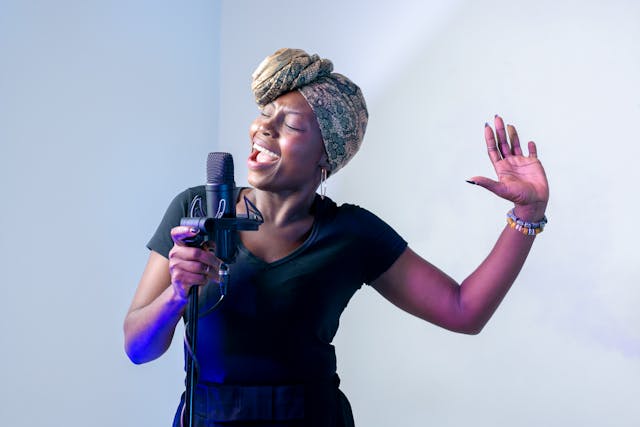
The Rise of the Non-Musician Musician
Digital production, sampling, and intuitive software have drastically lowered the barrier to entry for creating music. Artists like Billie Eilish and Finneas famously produce music from their bedrooms using software like Ableton Live, bypassing the need for traditional instrument skills. The ability to create soundscapes from a laptop has transformed the music world, making it possible for anyone with an ear for music and a touch of creativity to start producing. Today, you don’t need years of piano or guitar lessons; just a willingness to learn and experiment.
The concept of the “non-musician musician” also empowers creative self-expression. People who may have once felt excluded from music due to a lack of training now have ways to craft unique and powerful sounds. This trend has opened up the music world, proving that you don’t need to be a virtuoso to make an impact. Now let’s look at some key tools to help you start creating music even without formal training.
Tools of the Trade: Making Music with Minimal Skills
Thanks to digital music technology, creating a track is easier than ever, even for those with no musical background. Here are some popular and beginner-friendly tools that make music creation accessible to everyone:
- Loops and Samples: Websites like Splice, Looperman, and Cymatics provide thousands of pre-made loops and samples created by professionals. You can drag and drop these into your tracks without needing to play an instrument. Loops are repetitive sound bites, like drum beats or synth melodies, that provide structure to your song.
- AI Music Generators: If you’re intrigued by artificial intelligence, platforms like Amper Music and Soundraw use AI to generate full tracks or beats based on your input. Choose a genre, mood, or instrumentation style, and these tools can produce a basic track that you can modify to fit your sound.
- GarageBand and DAWs: Apple’s GarageBand is a beginner-friendly app that allows you to make full-fledged tracks using virtual instruments and pre-made loops. This is an excellent starting point for new musicians. Other digital audio workstations (DAWs) like FL Studio, Ableton Live, and Logic Pro offer more advanced features if you’re ready to dive deeper into music production.
- Beatmaker Apps: Apps like BandLab and Auxy let you create beats directly on your phone, perfect for beginners who want to make music on the go. With user-friendly interfaces, these apps are great for experimenting and finding your own rhythm.

Beatmakers: The Unsung Heroes
Beatmaking is one of the most significant roles for non-instrument-playing musicians. Beatmakers, who create the backbone of many rap, pop, and electronic tracks, often rely on rhythm and creativity rather than technical knowledge of traditional instruments. Using software like FL Studio or Ableton Live, beatmakers arrange sounds, loops, and samples into tracks that can easily go viral.
Famous producers like Metro Boomin and Zaytoven didn’t start with a deep understanding of music theory or traditional instruments. Instead, they honed their craft through experimentation and developed a unique ear for beats. Beatmaking is proof that you don’t need formal musical skills to make an impact in the music industry.
Mastering the Art of Collaboration
If you don’t play an instrument, collaborating with others who do can be the key to creating a richer, more layered sound. Many famous musicians collaborate with instrumentalists, vocalists, and other producers to bring their music to life. For instance, Kanye West is known for his visionary ideas and collaborations with musicians and producers to build his tracks, even though he doesn’t play most of the instruments himself.
Here are some tips to start collaborating:
- Find Musicians Online: Platforms like SoundCloud, Discord, and even TikTok have communities of musicians looking to collaborate.
- Be Open to Remote Collaboration: With the rise of online collaboration tools, you can work with musicians from around the world without leaving your home. Platforms like Soundtrap allow real-time remote collaboration within a DAW environment.
- Network Locally: Attend music events, open mics, or jam sessions in your area. Even if you don’t play an instrument, networking with musicians can lead to exciting creative partnerships.
- Share Your Vision: Even if you lack traditional skills, communicate your ideas clearly to your collaborators. Your creative input can shape the project’s direction.
Creating Stage Presence Without Instrument Skills
Becoming a music legend isn’t just about making music; it’s about captivating an audience. Here are some ways to boost your stage presence, even if you don’t play an instrument:
- Confidence: Confidence on stage is key to capturing the crowd’s attention. Use your body language, make eye contact, and engage with the audience as if you’re a seasoned pro.
- Engage with the Crowd: Tell stories, share personal insights, or involve the audience in the show. This connection is invaluable for creating memorable experiences that fans will want to share.
- Bring Visuals and Effects: Enhance your live performance with lights, videos, or even backup dancers. Many EDM artists rely heavily on visuals to captivate the crowd since they don’t use traditional instruments on stage.
- Emphasize Other Talents: If you’re a great dancer or have a strong voice, play to those strengths. There’s more to being a music legend than playing instruments—charisma and connection are powerful assets.
Building Your Brand as a Non-Musician Musician
Branding is vital in today’s music industry. Many musicians find success by developing a recognizable style or narrative, especially in the digital era where social media presence can make or break careers. Here are some tips for building your brand:
- Create a Unique Persona: Think of artists like Marshmello, who uses a helmet as his signature look. Develop a unique aesthetic or backstory that captures people’s attention.
- Use Social Media Effectively: Platforms like Instagram, TikTok, and YouTube are goldmines for building a fanbase. Regularly post short snippets of your creative process, share funny or behind-the-scenes moments, and engage with your audience.
- Share Your Journey: Many fans love to follow an artist’s growth and personal story. Share your learning journey with your audience, showing that you don’t need to be a “traditional” musician to make incredible music.
- Focus on Consistency: Developing a consistent theme or vibe for your music, visuals, and personality will help fans know what to expect, fostering loyalty.
You don’t need to play a traditional instrument to become a music legend. With the right tools, a collaborative mindset, and a flair for creativity, you can create music that resonates with fans and stands out in the industry. The digital world has leveled the playing field, allowing anyone with a vision to make an impact—even without technical music skills. So embrace the tools, connect with talented collaborators, and showcase your unique vision. Your musical journey awaits, and who knows—you could be the next big thing without ever picking up an instrument.